

Pelvic pain
Pelvic pain is discomfort in the lower part of the belly, between the belly button and the groin. In women, it can happen due to periods, ovulation, or stomach problems. Sometimes it is a sign of infection or a problem in the reproductive system. In such cases, you should see a doctor.
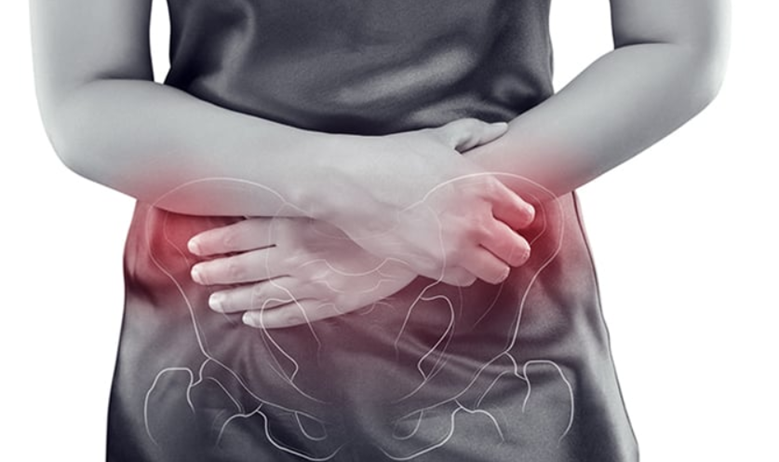
Here are 15 common causes of pelvic pain in women, explained simply:
Causes
1. Menstrual Cramps
Many women feel pain in the lower belly just before or during their periods. The uterus contracts to shed its lining, causing cramps. A hot water bag or simple painkillers like ibuprofen can help. Severe pain may need doctor’s advice.
2. Ovulation Pain (Mittelschmerz)
Around the middle of the menstrual cycle, one ovary releases an egg. This can cause short-term pain on one side of the pelvis. It usually lasts only a few minutes to hours and needs no treatment.
3. Interstitial Cystitis
This is long-term bladder inflammation without a clear reason. It can cause pelvic pain, frequent urination, and pain during sex. Treatment focuses on controlling the symptoms.
4. Urinary Tract Infection (UTI) or Cystitis
Bacteria enter the bladder and cause infection. Common symptoms are burning while urinating and frequent urge to pee. Antibiotics usually clear it quickly.
5. Sexually Transmitted Infections (STIs)
Infections like gonorrhea or chlamydia can cause pelvic pain, unusual discharge, and bleeding between periods. Early treatment with antibiotics is important. Partners should also get checked.
6. Pelvic Inflammatory Disease (PID)
This is an infection in the uterus and nearby organs, often caused by untreated STIs. It can lead to infertility if not treated early. Antibiotics are the main treatment.
7. Endometriosis
Tissue similar to the uterus lining grows outside the uterus. It causes pain, especially during periods, and can make pregnancy difficult. Treatment depends on how severe the symptoms are.
8. Irritable Bowel Syndrome (IBS)
This gut problem causes pain, bloating, constipation, or diarrhea. Symptoms often improve after passing stool. Diet changes and stress control help manage it.
9. Appendicitis
Inflammation of the appendix causes sharp pain on the lower right side of the belly, often with fever and vomiting. It needs immediate medical help.
10. Urinary Stones
Mineral crystals form in the kidneys or bladder and can cause severe pelvic or back pain. Urine may turn pink or red. Some stones pass on their own; others need medicine or surgery.
11. Ectopic Pregnancy
The pregnancy grows outside the uterus (usually in the fallopian tube). It causes sharp one-sided pain, bleeding, and dizziness. This is a medical emergency.
12. Pelvic Adhesions
Scar tissue forms inside the pelvis after infection, surgery, or endometriosis. It can cause long-term pain. Surgery may help in some cases.
13. Ovarian Cysts
Fluid-filled sacs on the ovary can cause pressure or pain on one side. Many go away on their own; some need treatment or surgery.
14. Uterine Fibroids
Non-cancerous growths in the uterus can cause pelvic pain, heavy periods, or pain during sex. Treatment options range from medicines to surgery, depending on symptoms.
15. Tumor (Rare)
In rare cases, a growth in the reproductive organs, bladder, or intestines can cause pelvic pain. Doctors use tests to find the cause and plan treatment.
When to See a Doctor
See a doctor if the pain is severe, lasts long, comes with fever, vomiting, unusual discharge, or bleeding. Early care helps prevent serious problems.